Drain Repairs vs Drain Relining: What Works Best for Your Drain?
Homeowners across Hemel Hempstead and the wider Hertfordshire region often face the challenge of maintaining ageing drainage systems. Over time, drains can suffer from blockages, cracks, or collapses due to shifting soil, tree roots, or general wear and tear. When a drain becomes damaged, deciding on the best repair method is crucial to prevent further issues and avoid costly replacements.
Two primary options are commonly considered: traditional drain repairs involving excavation, and modern no-dig drain relining techniques. Both have their strengths and limitations depending on the specific nature and location of the problem. Understanding these differences can help homeowners in Hemel Hempstead and nearby towns like Berkhamsted, Tring, and Kings Langley make an informed choice.
Understanding Traditional Drain Repairs
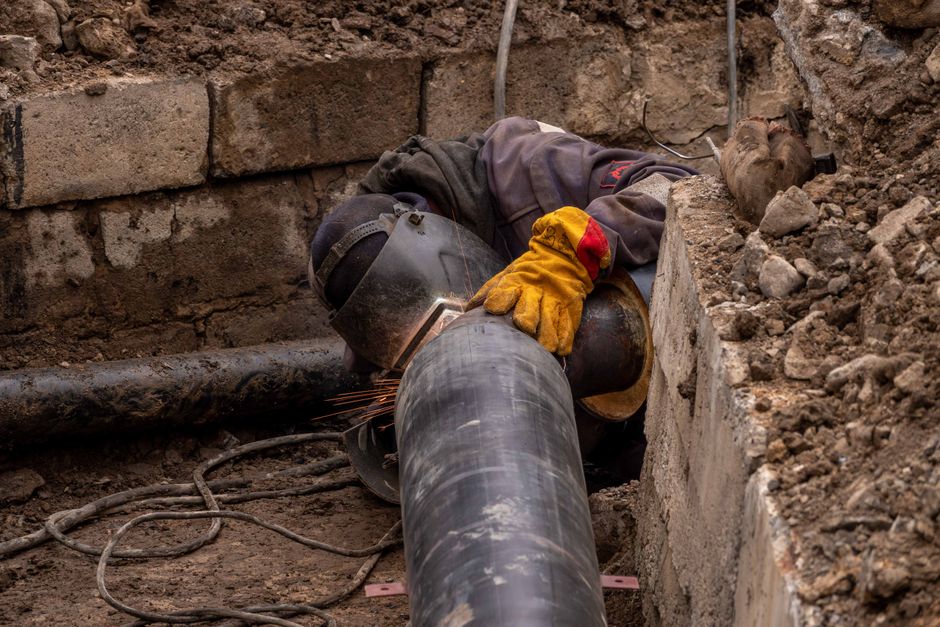
Traditional drain repairs involve excavating the affected section of the drain to access and fix the problem directly. This might mean removing damaged pipes, clearing blockages, or replacing sections completely. While this method has been used for many years, it can be quite disruptive, especially in garden areas or driveways common to Hemel Hempstead properties.
Excavation allows for a full visual inspection of the drain pipe, so the exact cause of damage—such as root intrusion or pipe collapse—can be addressed. However, the process often requires significant digging, which can disturb landscaping, paved areas, and driveways, particularly in older homes around Markyate or Leverstock Green where gardens are well established.
One benefit of traditional repairs is that they can handle severe damage. When a pipe has completely collapsed or is extensively cracked, replacing the damaged section is sometimes the only viable solution despite the inconvenience.
What Is Drain Relining?
Drain relining is a modern, trenchless technique that repairs damaged drains from the inside without the need for excavation. A flexible resin-coated liner is inserted into the damaged pipe and inflated, adhering to the existing drain walls as it cures, forming a smooth, durable new pipe within the old one.
This no-dig method has become increasingly popular for properties throughout Hertfordshire, including towns like Bovingdon and Harpenden, as it minimises disruption to gardens, driveways, and outdoor spaces. Relining reduces the mess and time usually associated with traditional repairs, making it an attractive choice for homeowners seeking convenience.
Moreover, relining can extend the life of a drain by several decades, sealing cracks and preventing root ingress. However, it’s important to note that this technique is best suited to pipes that are structurally sound enough to hold the liner and free from severe collapses.
Pros and Cons of Traditional Excavation Repairs
One of the biggest advantages of traditional excavation is the ability to thoroughly inspect and directly repair or replace severely damaged pipes. This approach is often necessary when pipes are collapsed or distorted beyond repair by other methods. It also allows removal of roots or debris causing blockages, which can be crucial in properties near large trees common in Hertfordshire’s older neighbourhoods.
On the downside, excavation is labour-intensive and can be costly due to the time and equipment involved. Disturbance to the garden or driveway often requires restoration work afterward. In towns like Abbots Langley or Chesham, where properties have extensive landscaping or paved parking areas, this can add to disruption and expense.
Additionally, excavation can take several days or longer, depending on the extent of the damage and the site’s accessibility, which may inconvenience household routines.
Advantages and Limitations of Drain Relining
Relining offers the benefit of a quick turnaround, often completing repairs within a day without digging up gardens or driveways. This method suits many Hemel Hempstead homeowners looking to avoid the mess and disruption of excavation. It’s also environmentally friendly, reducing soil displacement and waste.
However, relining is not suitable for all damage types. If the pipe is too badly collapsed or crushed, the liner won’t fit or cure properly. Furthermore, relining reduces the diameter slightly, so it may not be ideal for drains already restricted in size, something to consider in older homes around Redbourn or Leverstock Green with narrow drainage systems.
There’s also a need for professional CCTV surveys before relining to assess pipe condition and ensure the drain is clear of blockages so the liner can be installed correctly.
How to Decide Which Method Suits Your Drain
Determining whether to choose traditional repairs or relining starts with a thorough inspection, typically involving a CCTV drain survey. This is especially important in Hertfordshire towns like Tring and Kings Langley where older pipework may have diverse issues from age or ground movement.
If the survey reveals minor cracks, root intrusion, or moderate damage, drain relining can be an effective, less disruptive solution. For severe pipe collapse or extensive damage, excavation and replacement may be the only reliable option to ensure long-term functionality.
Homeowners should also consider their property’s outdoor space and budget. If landscaping or paved areas might be heavily disturbed, and the damage allows, relining can save significant hassle and cost. For heavily damaged pipes, investing in traditional repairs may prevent repeated problems down the line.
Local Factors Affecting Drain Repair Choices
Hemel Hempstead and surrounding Hertfordshire towns sit on clay-rich soil, which can expand and contract with wet and dry weather, stressing underground pipes. This natural movement often causes cracks or joint separations, meaning many older drainage systems require attention over time.
In areas with mature trees, such as Berkhamsted and Bovingdon, root intrusion into drains is a common cause of damage. Both repair methods can address roots, but excavation is often needed to remove stubborn root systems fully before relining or pipe replacement.
Additionally, the closeness of neighbouring properties in places like Harpenden and Abbots Langley can influence access to drainage lines. Sometimes excavation is limited due to space constraints, making relining the more practical option.
What to Expect During Repair or Relining Work
If excavation is required, the work will start with digging a trench to expose the damaged part of the drain. Once repaired or replaced, the trench is backfilled, and surfaces restored. Homeowners should prepare for some noise, soil displacement, and possible access restrictions for a few days, especially in residential areas of Markyate or Redbourn.
For relining, after a CCTV survey confirms suitability, the drain is cleaned using high-pressure water jets to remove debris and roots. The resin liner is then installed and inflated. The curing process may take several hours, during which the pipe forms a new rigid lining inside the old one. As there’s no digging, disruption is minimal, and properties are typically back to normal within a day.
In either case, ensure you ask your drainage professional about the process details and any preparations or precautions specific to your property.
Maintaining Your Drains After Repairs or Relining
Whether you’ve had traditional repairs or relining, regular maintenance helps prolong the lifespan of your drains. Avoid flushing fats, oils, and non-biodegradable items, as these can cause blockages in all types of drainage systems.
Periodically having a professional CCTV drain survey can detect early signs of damage or build-up before serious issues develop. This is particularly useful for Hertfordshire homes surrounded by trees or on clay soils, as these local conditions can accelerate drain wear.
Keeping gutters clear and ensuring surface water drains correctly also reduces the risk of excessive water pressure on underground pipes. Taking these precautions helps your investment in repairs or relining last longer.
Need a drainage expert in Hemel Hempstead?
Call 01442 767983